
Of all the Algarve's eighteen municipalities, Loulé Alojamento Local compliance carries the most immediate regulatory weight in 2026. The câmara covers a vast sweep of territory — from the market town itself inland to the ocean-front parishes of Quarteira, Vilamoura, Almancil, Quinta do Lago and Vale do Lobo — and that breadth translates into an AL registration count that almost certainly exceeds the one thousand threshold set by Decreto-Lei 76/2024. When a municipality crosses that threshold, the law requires it to produce its own local regulatory framework within twelve months. For British owners, that means the compliance landscape in Loulé is not static; it is actively being written.
The scale of Loulé's short-term rental market reflects the geography. Vilamoura alone is one of the most visited marina destinations in southern Europe, with thousands of apartments and villas regularly let on short-term contracts. Quinta do Lago and Vale do Lobo attract a different kind of owner — typically higher-value properties, longer average stays, and owners who may believe that premium real estate sits outside the regulatory frame. It does not. Every property with an active AL licence in Loulé is subject to the same obligations, regardless of postcode or rental yield.
What Loulé currently requires for AL registration
The foundation of any compliant short-term let in Loulé is a valid Alojamento Local registration, issued via the national ePortugal portal and notified to the Câmara Municipal de Loulé. The application requires proof of ownership or authorisation, a valid energy performance certificate, evidence of compliance with fire safety requirements — which for most villas means a fire extinguisher, fire blanket, smoke detectors and a first-aid kit displayed at the property — and adequate third-party liability insurance of at least €75,000. The property must display the AL plaque at the entrance, carry a physical complaints book (livro de reclamações), and maintain a guest register submitted to SEF/AIMA within three working days of each check-in.
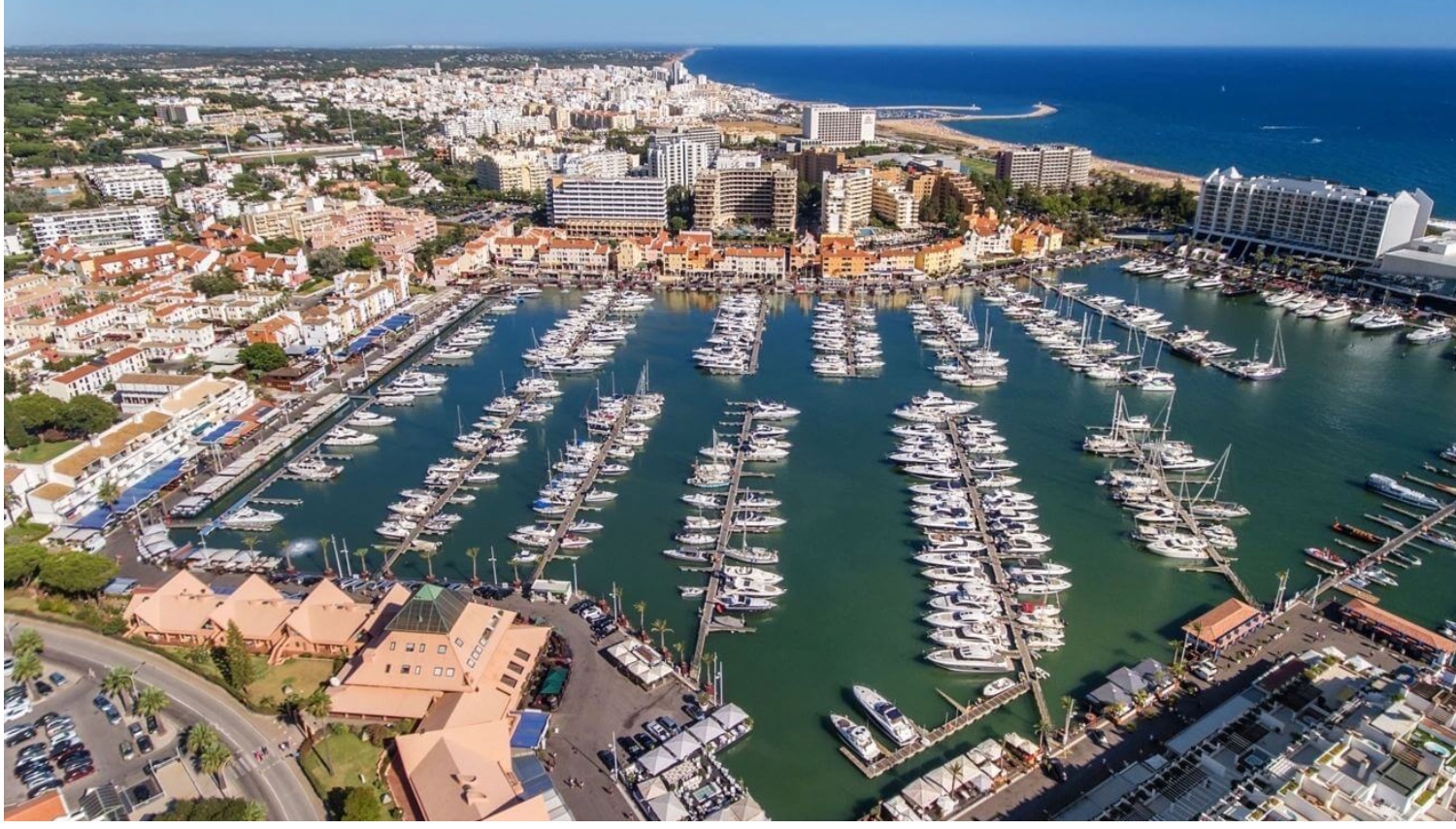
When a municipality exceeds one thousand AL registrations, DL 76/2024 requires it to produce its own local regulatory framework within twelve months.
The 60-day municipal opposition window
One of the most misunderstood aspects of the post-DL 76/2024 regime is the role of the câmara in processing new AL applications. Once a registration is submitted via ePortugal, the Câmara Municipal de Loulé has sixty days in which it may raise an objection. In practice, this means an owner cannot treat a submitted application as an approved one. During that sixty-day period, the câmara may reject the registration on grounds of urban planning, housing policy or, crucially, containment zone designation. Owners who begin operating before that window closes expose themselves to enforcement action and potential fines of between €2,500 and €25,000 for unlicensed operation.
For existing licence holders, the position is more secure — but not entirely without risk. DL 76/2024 restored the transferability of AL licences on property sale, which had been suspended under the previous framework. That change makes licensed properties in Loulé more commercially attractive. However, a câmara operating under a containment zone designation retains the power to decline renewals or to impose additional conditions on existing licences at the point of periodic review.
What containment zones mean for Loulé owners
Under DL 76/2024, a municipality with more than one thousand AL registrations — or where AL properties represent more than 25 per cent of the residential housing stock in a given parish — can declare a containment zone. Within a containment zone, no new AL registrations are accepted. Existing registrations remain valid, but they cannot be expanded, and in some interpretations of the law, they cannot be transferred on sale without the câmara's explicit approval. Loulé has not yet published its local AL regulation framework, but the twelve-month clock began running from the law's entry into force. Owners should treat the current window as an opportunity to regularise any outstanding compliance gaps rather than to assume the status quo will hold.
The compliance checklist for Loulé villa owners
For owners across Loulé's parishes, the practical priorities are these: confirm the AL registration number is current and matches the property as currently configured; verify that the energy performance certificate is in date (certificates issued before 2020 should be checked carefully); ensure fire safety equipment is present, operational and photographed for your records; confirm the liability insurance policy covers short-term lets at the required minimum level; and review your AIMA guest registration records to ensure no submissions have been missed. Owners with properties managed by third-party agents should request written confirmation that each of these items is current. The consequences of a failed municipal inspection — fines, suspension of the AL licence, and in serious cases criminal liability — fall on the property owner, not the management company.
The Loulé regulatory picture will become clearer once the câmara publishes its local AL framework, likely before the end of 2026. APC is monitoring that process directly and will update subscribers as soon as the draft framework is issued for public consultation. In the meantime, the most effective protection is a fully compliant registration held in good standing. Read our broader guide to Portugal rental property compliance for UK owners for the full national picture, and start your APC service to receive municipality-specific updates as they are published.