
Most British property owners in the Algarve think of Faro as a place you pass through — the international airport, a connecting taxi, then on to Albufeira or Vilamoura. That perception sells the city short, and it leads to a specific compliance blind spot: owners who hold property in Faro municipality treat it as peripheral when in fact it operates under some of the most scrutinised Faro Alojamento Local rules in the region. Understanding what makes Faro distinct from the coastal resort municipalities is the first step towards protecting your rental registration.
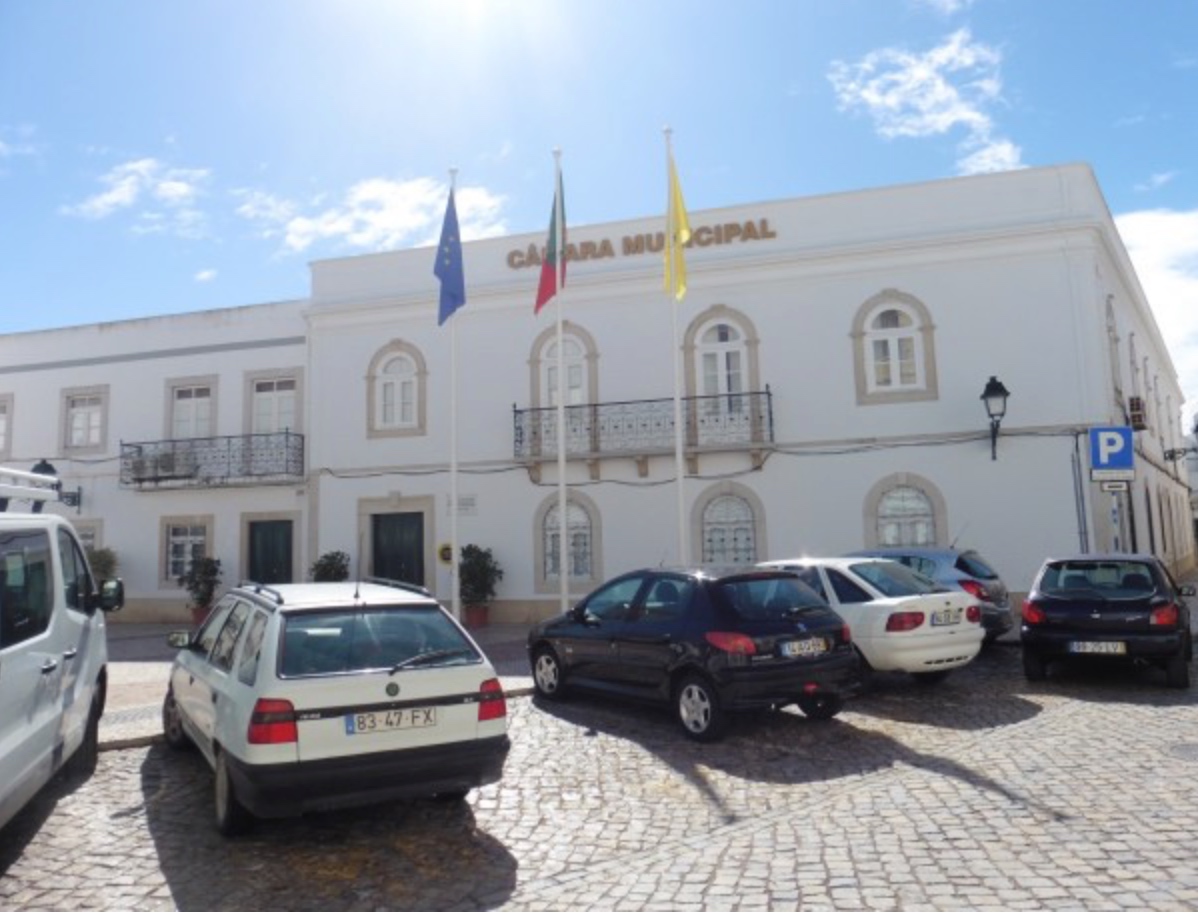
Faro is the capital of both the Algarve district and the Faro municipality. It sits at the centre of Portugal's southern administrative geography — the seat of district government, the location of the regional court, and the hub through which an estimated four million passengers pass each year via Faro International Airport. For UK owners, that last fact is material: Faro's airport arrivals directly correlate with short-term rental demand in the city itself, and the Câmara Municipal de Faro has been watching the growth of the AL sector with the considered attention of a landlocked municipality facing genuine housing pressure.
How AL registration works in Faro municipality
Alojamento Local registration in Portugal follows a national framework, but the municipal layer matters. In Faro, applications are submitted via the Balcão Único Eletrónico on ePortugal.gov.pt and the Câmara Municipal de Faro holds a 60-day opposition window under Decreto-Lei 76/2024. Within that window, the câmara may object to a registration on grounds of housing pressure, neighbourhood character, or non-compliance with safety requirements. In practice, the 60-day window rarely produces a formal objection for properties outside the historic centre, but it has been used for city-centre apartments in the Baixa and Mouraria neighbourhoods where residential supply is tightest.
The registration itself requires a completed RNAL (Registo Nacional de Alojamento Local) entry, which assigns the property its AL number and the right to display the legally mandated blue plaque. Before the registration is accepted, the property must hold a valid energy performance certificate (certificado energético), a gas safety certificate if the property has mains gas or LPG, and evidence of building insurance. Properties with a pool require an additional safety declaration. None of these requirements are Faro-specific — they apply across Portugal — but Faro's urban density means inspections are more readily triggered by neighbour complaints than in dispersed rural parishes.
Faro's housing pressure and containment zone risk
Faro is materially different from the Algarve's resort municipalities. Where Albufeira or Loulé have large swathes of purpose-built villa stock with minimal year-round residential population, Faro is a functioning city: it has a university with roughly nine thousand students, a hospital, a port, and a permanent workforce employed across government, services, and logistics. That mix creates genuine housing pressure in the residential market. The city has a rental vacancy rate that, by regional standards, is low, and the proportion of housing stock dedicated to AL in certain city-centre parishes has drawn comment from the municipality in its strategic planning documents.
Faro's urban density and student population make it one of the Algarve's more credible candidates for a containment zone designation under DL 76/2024.
Under DL 76/2024, municipalities may designate containment zones in areas where AL growth is assessed to be displacing long-term residential rental supply. Faro has not yet published a containment zone designation, but the legislative machinery is in place and the housing pressure data is available to the câmara. For UK owners with city-centre apartments in Faro — properties in the Baixa, near the train station, or in the Mouraria — the risk of a future containment zone notification is higher than for villa owners in the Gambelas, Montenegro, or Santa Bárbara de Nexe parishes. Owners with apartments in the historic centre should ensure their AL registration is fully current and compliant before any designation is announced: existing compliant registrations carry protected status under the framework, while properties operating informally have no such protection.
What Faro compliance requires in practice
For a UK owner with an Alojamento Local property in the Faro municipality — whether a city-centre apartment or a detached villa in the surrounding parishes — the compliance checklist is consistent with the national framework and includes the following obligations. A valid and current AL registration number, displayed on the exterior plaque and included in all listing descriptions, is non-negotiable. The certificado energético must be in date (valid for ten years for residential properties, and its expiry triggers the need for renewal before any re-registration). A gas safety certificate, issued by a qualified technician and renewed every two years for properties with LPG, is required for any property with gas appliances. An electrical safety report must be current. Fire safety equipment — a minimum of one powder extinguisher and a fire blanket in the kitchen — must be present, maintained, and documented. A livro de reclamações (complaints book) must be displayed in the property, and the house rules must be posted in Portuguese, English, French, and one other EU language. Guest registration via the SEF/AIMA portal is a mandatory obligation for every stay.
Faro also sits within the scope of Turismo de Portugal's national oversight regime, which means properties listed on Airbnb, Booking.com, or any other platform operating under EU Regulation 2024/1028 must have their AL number accurately registered with the platform. The regulation entered enforcement from 20 May 2026, and Faro properties without a current registration are exposed to delisting. The AL sector in Faro is smaller by unit count than Albufeira or Loulé, but its urban character means enforcement notices tend to travel faster: neighbours, building managers, and local authority inspectors are closer together in a city than on a dispersed tourist strip.
The compliance imperative for Faro owners
The route to durable compliance in Faro is not complicated, but it requires attention to the urban specifics that distinguish the city from the resort municipalities. If your property is in the historic centre, you should be aware of containment zone risk and act now to ensure your registration is current. If your property is in the outer parishes — Estoi, São Brás de Alportel, or the villages of the Serra do Caldeirão — the regulatory exposure is lower but the compliance obligations are identical. APC works with Faro owners across the municipality, handling every certificate, registration, and renewal obligation so that the property remains compliant regardless of what the câmara decides next. For more on the national regulatory framework that underpins Faro AL registration, read our full guide to DL 76/2024 or start your APC service to speak with the team.