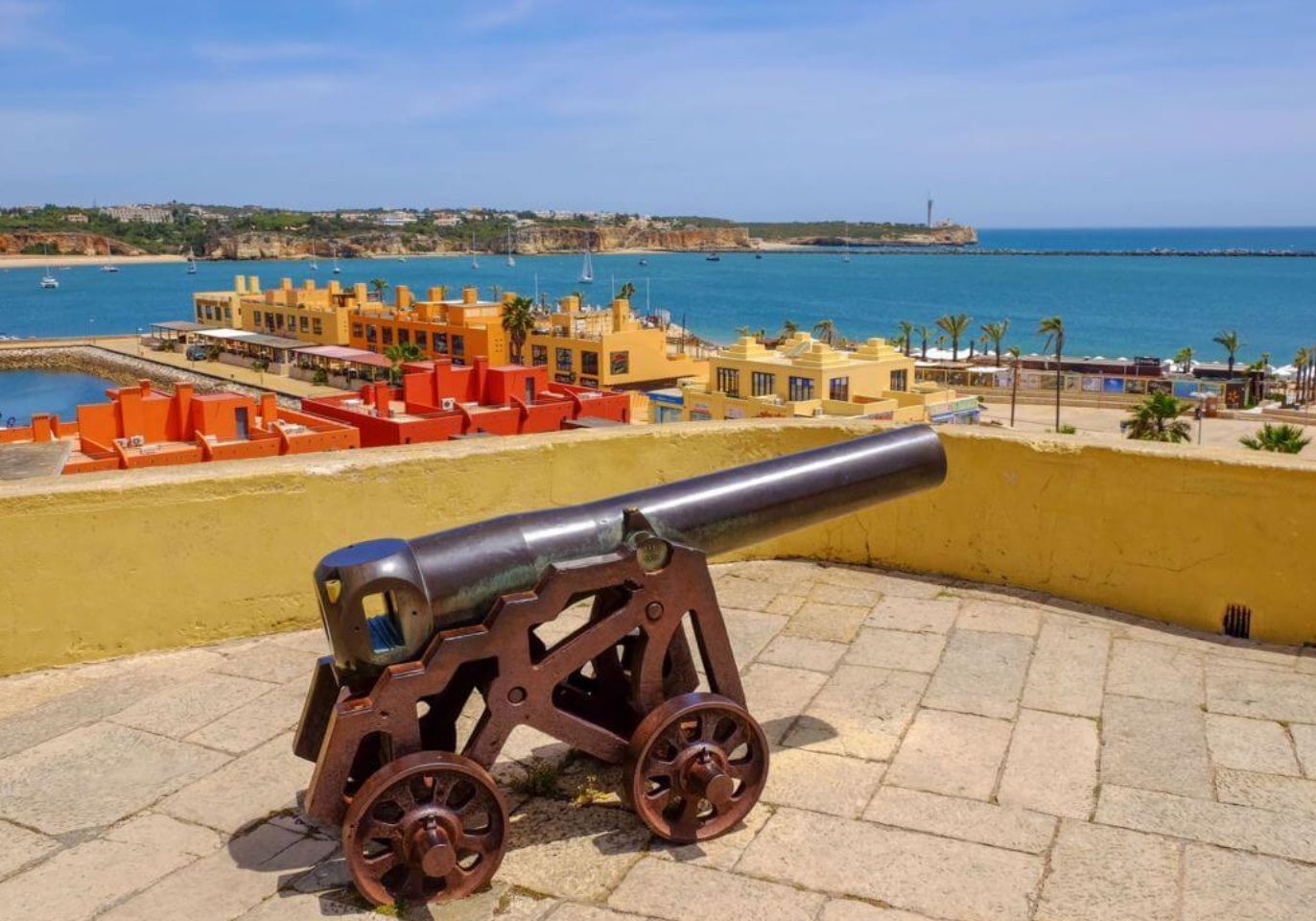
The Lagos AL registration guide for UK villa owners begins with a deceptively simple observation: Lagos is not Albufeira. Where the central Algarve's dominant tourist municipality operates at scale and with a registration database that runs into thousands of properties, Lagos approaches AL regulation with a câmara that is smaller, more locally embedded, and — in the view of property lawyers who practise in the area — more attentive to individual applications. That attention cuts both ways. Owners who submit complete, well-prepared applications through the national ePortugal portal and notify the Câmara Municipal de Lagos correctly tend to receive prompt, uncomplicated processing. Those who submit incomplete applications, or whose properties have compliance gaps, are more likely to receive a formal objection during the sixty-day municipal window provided under Decreto-Lei 76/2024.
British buyers are drawn to Lagos for reasons that go beyond the beaches. The historic centre — within the old Moorish walls, with its cobbled lanes and Manueline church facades — offers a property character unavailable in the newer resorts to the east. The coastal parishes of Luz, Burgau and Salema attract buyers who want a quieter Western Algarve experience. Meia Praia, east of the town, is popular for villa developments with sea views. Each of these areas has a different planning context, and that context affects what the câmara looks for when an AL registration is submitted.
How to register an AL in Lagos
The process begins on the ePortugal platform, where the owner or a designated representative submits the AL registration application. The application must include: the property's caderneta predial (land registry extract), confirming ownership; the property's fiscal identification number (NIF); the owner's NIF; the energy performance certificate (certificado energético); and a declaration of compliance with fire safety requirements. For properties in the historic centre of Lagos, the câmara may additionally require a certidão de uso confirming that the property's planning classification permits tourist use. Once submitted, the câmara has sixty days to raise an objection. If no objection is received within that period, the registration is deemed approved and the AL number is issued.

DL 76/2024 restored the transferability of AL licences on property sale — a change that has made Lagos properties with existing licences more commercially attractive to investors.
Fire safety requirements for Lagos properties
Lagos has a high proportion of older building stock — properties built before modern fire safety standards were codified in Portuguese law, and some converted from residential to tourist use without corresponding upgrades to fire protection. For these properties, the fire safety declaration submitted as part of the AL application carries more weight than it might for a purpose-built holiday villa. The câmara may request photographic evidence that the required equipment — fire extinguisher, fire blanket, smoke detectors in each bedroom and the kitchen, first-aid kit — is present and correctly positioned. For properties in multi-unit buildings, the câmara will check that the building's communal fire safety arrangements comply with current regulations. Owners who acquired older properties in Lagos should conduct a fire safety survey before applying for or renewing an AL registration.
What DL 76/2024 means for Lagos investors
The restoration of AL licence transferability under DL 76/2024 has particular significance for Lagos. Prior to the reform, an AL licence expired when a property was sold, which acted as a deterrent for buyers who intended to continue the letting activity. Under the current framework, an existing licence can be transferred to a new owner, subject to the câmara's confirmation that the registration remains compliant. For Lagos properties — where the combination of historic character, coastal setting and manageable municipal scale makes them attractive to British investors — a clean, transferable AL licence adds measurable value to a sale. The practical implication is that compliance gaps that might previously have been deferred now have a direct financial cost: they reduce or eliminate the transferability benefit at the moment it matters most.
Lagos's AL market is growing but has not yet reached the density thresholds that would trigger mandatory containment zone designation under DL 76/2024. That position may change as the Western Algarve continues to attract investment. The time to secure a compliant registration is before that threshold is approached, not after. For a complete picture of national obligations, read our guide to Portugal rental property compliance for UK owners. To receive Lagos-specific updates from APC, start your APC service.
For British owners in Lagos who purchased under DL 76/2024's restored transferability rules, confirm that the RNAL record has been updated to show the new owner's details. A transferred registration number remains valid, but the underlying record must reflect the current operator. Discrepancies between ownership records and platform listings are one of the most common compliance issues APC identifies at onboarding. Catching and correcting them now — before automated enforcement begins — avoids listing suspension and the delay of resolving them under pressure.
Lagos also has one of the stronger rental seasons in the Western Algarve, with consistent demand from British, Irish and Dutch visitors through June, July and August. A fully compliant property with current documentation opens and closes those peak weeks without risk. An unchecked certificate expiry or a mismatched RNAL record discovered in May can mean weeks of disruption at exactly the wrong time.